


://design · build · play
Shift the frame. Change the game.
Strategy, technology, marketing, and AI. Consulting from people who build what they recommend. Thirty years of load-ins taught us what survives show day.
Strategy, technology, marketing, and AI. Consulting from people who build what they recommend.
Thirty years of load-ins taught us what survives show day. Now we build the systems too.
start a conversation →
://one object becomes the system
Five pieces. Five chapters. One continuous build.
The mark does not leave when the hero ends. Its five bodies become the five rules below, and those rules decide how every project runs, whether it is an installation, a CRM, or an automation nobody wants to be the first to trust.
The mark does not leave when the hero ends. Its five bodies become the five rules below, and those rules decide how every project runs, whether it is an installation, a CRM, or an automation nobody wants to be the first to trust.
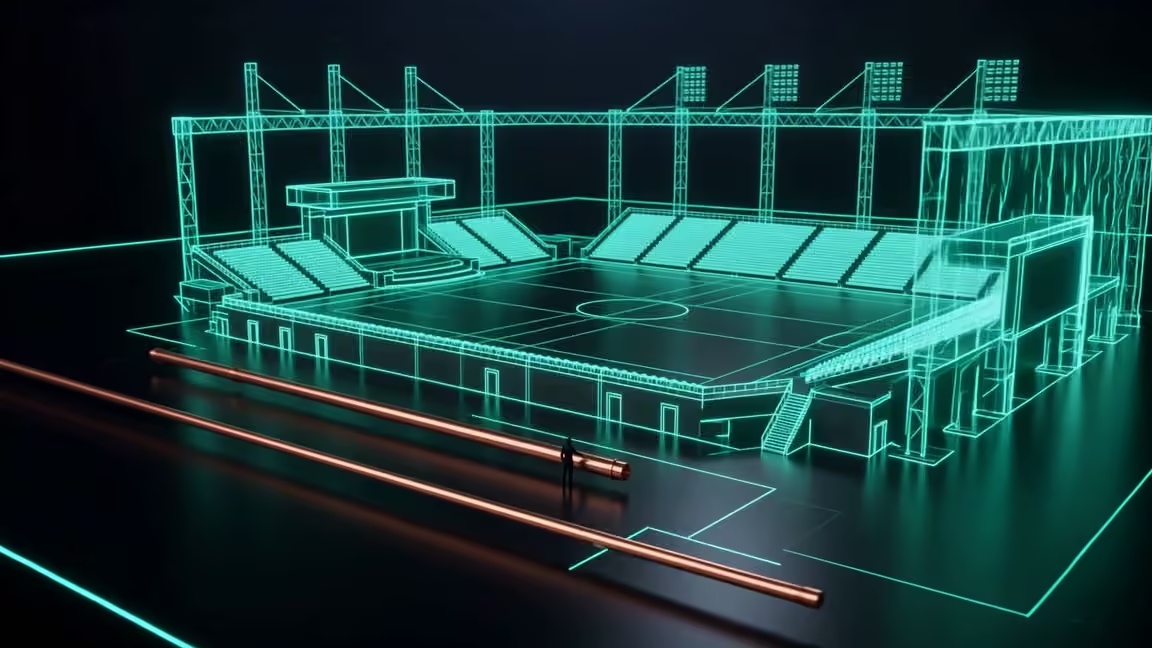
01 / green
Start with the room.
Before the interface, there is a room: sightlines, noise, nervous operators, and doors opening on time. It is not a container for the system. It is the first part of the system.
Before the interface, there is a room: sightlines, noise, nervous operators, and doors opening on time. We map how people arrive, understand the invitation, and move through it. A software rollout has the same room, it is just made of habits and existing tools rather than walls. Either way it is not a container for the system. It is the first part of the system.
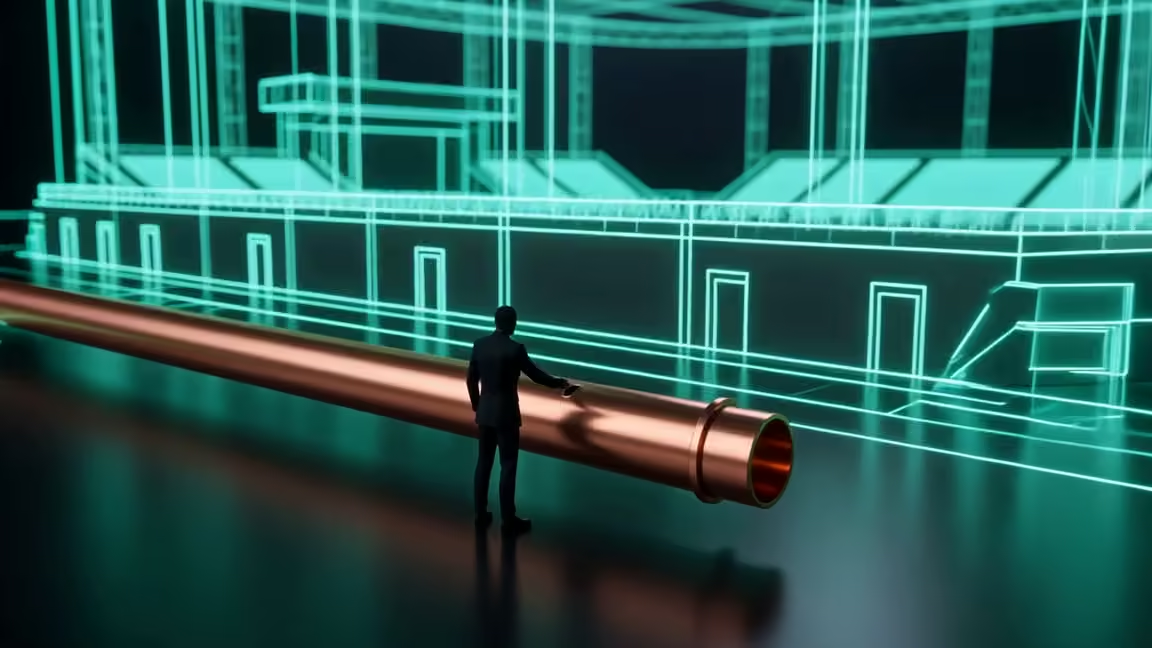
02 / blue
Human first. Technical underneath.
People should feel the idea, not the machinery. Sensors, integrations, and show control disappear into one obvious action that needs almost no explanation.
People should feel the idea, not the machinery. Sensors, integrations, and show control disappear into one obvious action that needs almost no explanation. We prototype the human gesture first, then make the stack quiet, responsive, and forgiving enough to support it. The same test applies to an internal tool: if it needs a training session, the design failed.
explore interactive games →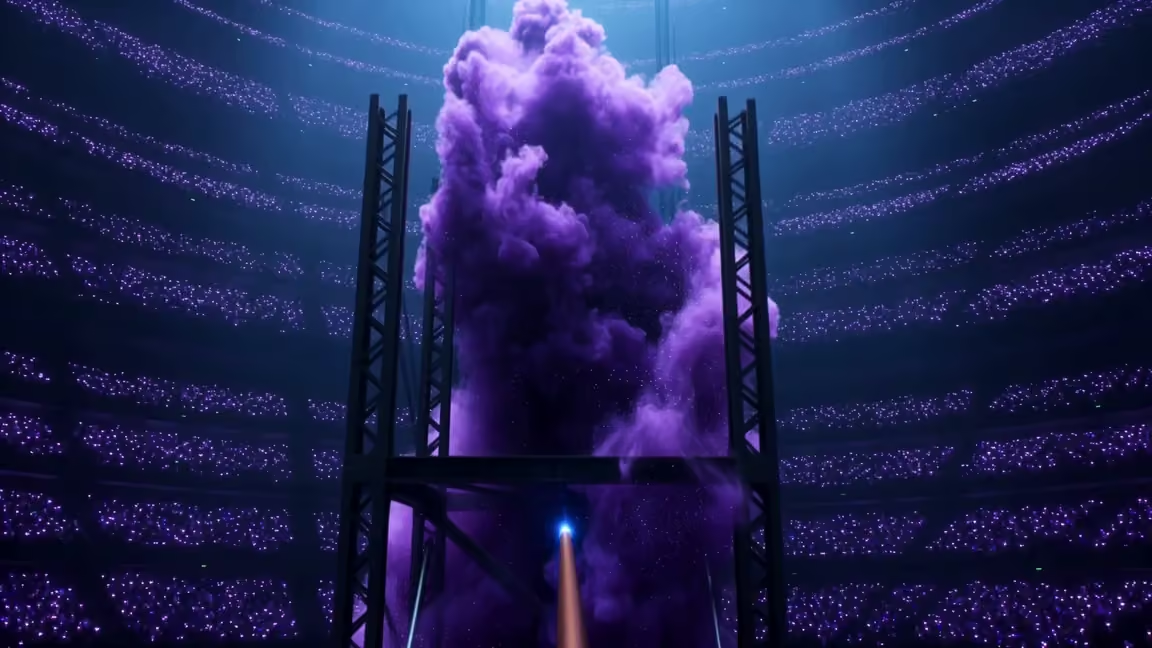
03 / purple
The audience completes the work.
Nothing is finished at installation. It becomes complete when people use it and change what happens next.
Nothing is finished at installation. It becomes complete when people use it and change what happens next. We bring physical design, sensors, software, and staging together so each interaction feels immediate and intentional. The same rule governs the systems nobody calls art: a workflow the team was not consulted about is not finished either, it is just deployed.
explore automations →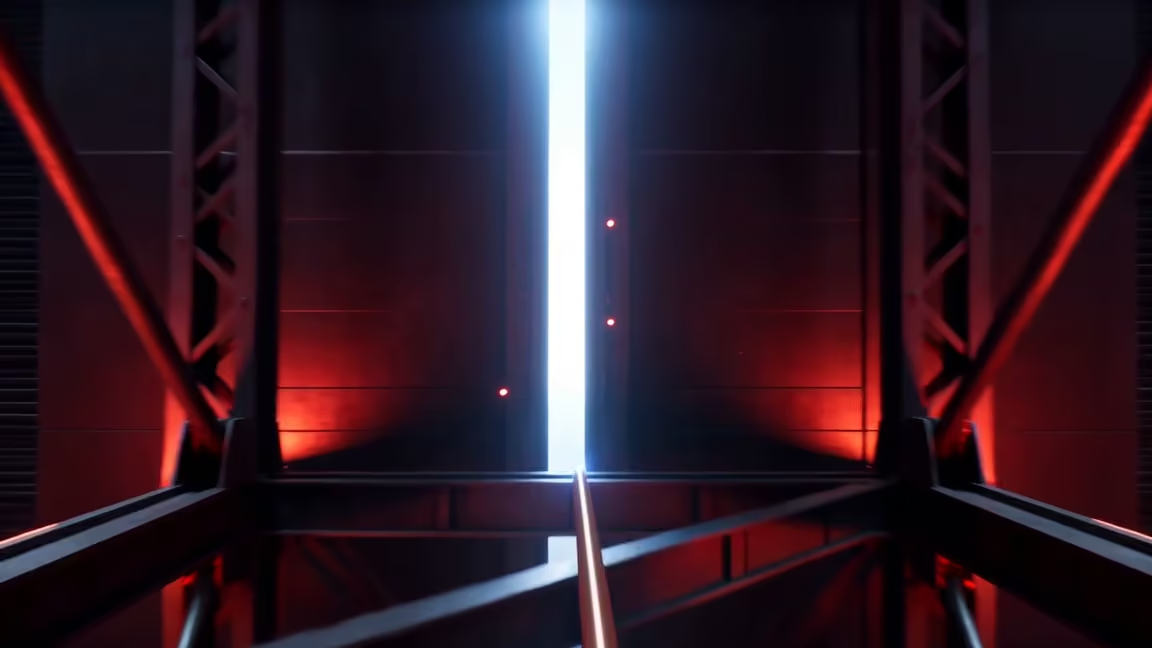
04 / red
Designed for show day.
No mandatory tutorial and no fragile spectacle that only works in rehearsal. The work has to survive the queue, the reset, the handover, and the moment the room behaves differently from the plan.
No mandatory tutorial and no fragile spectacle that only works in rehearsal. The work has to survive the queue, the reset, the handover, and the moment the room behaves differently from the plan. Recovery paths are designed at the start, not patched in afterwards. Thirty years of live events is thirty years of finding out which assumptions break at four in the morning.
05 / orange
Keep a human in control.
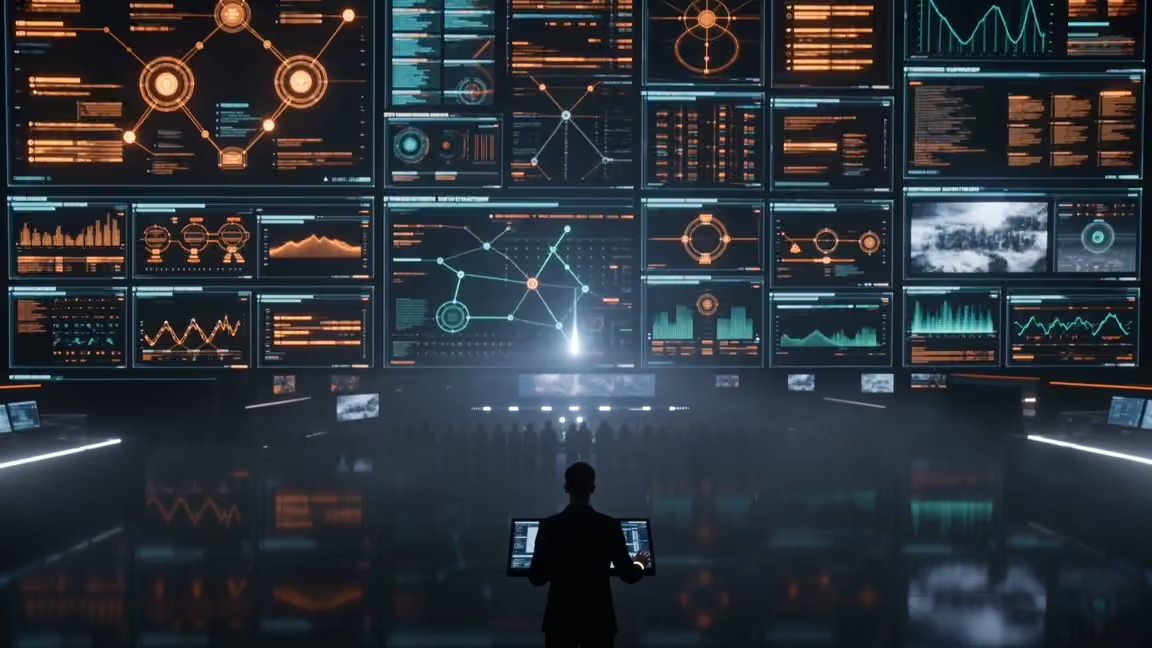
The operator sees what the audience sees, and what the system is doing underneath. Judgment stays with your people, and the copying, chasing, and reminding does not.
The operator sees what the audience sees, and what the system is doing underneath. One clear view makes it possible to monitor status, cue the next moment, and recover without stepping into the machine. This is also our position on AI: judgment stays with your people, and the copying, chasing, and reminding does not.
explore custom dashboards →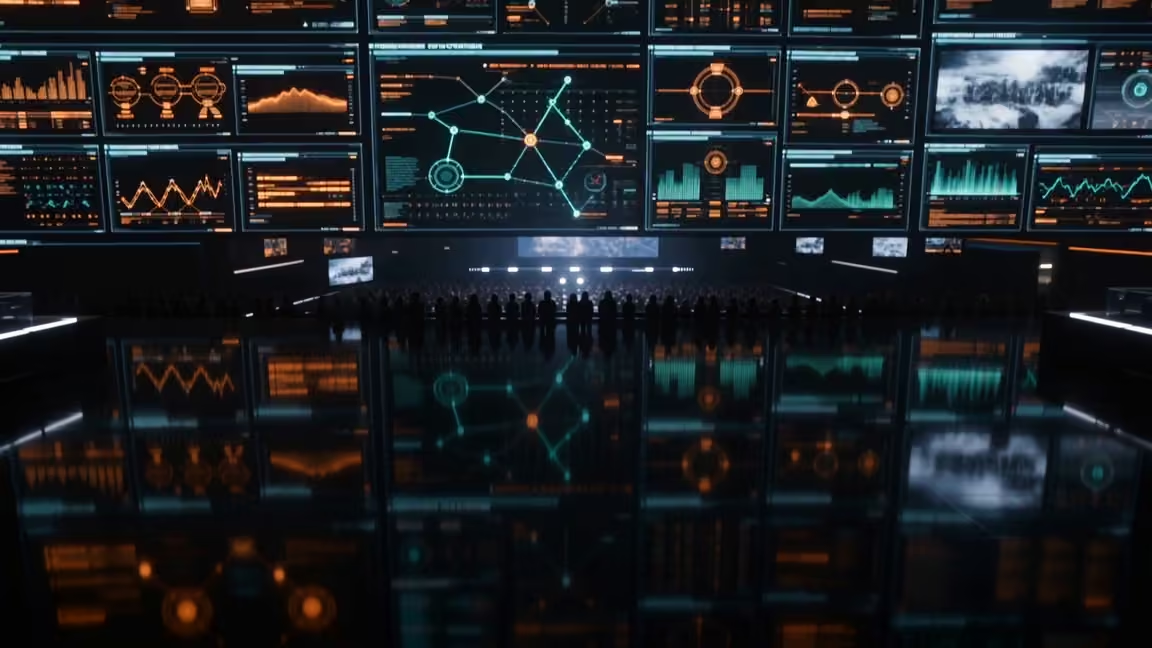
://delivery is part of the design
Built like show day is tomorrow.
The visible moment is only the front edge. Behind it: deployment, operator controls, recovery paths, accessibility, measured asset budgets, and a handover another person can use. Everything runs on infrastructure you own. If you stop working with us, it keeps running.
The visible moment is only the front edge. Behind it: deployment, operator controls, recovery paths, accessibility, measured asset budgets, and a handover another person can use. Everything runs on infrastructure you own. If you stop working with us, it keeps running.
- Useful before enhancement. No mandatory interaction toll.
- Reduced motion and real failure states designed from the start.
- Performance measured from shipped bytes, not estimated.
- Operator controls, documentation, and handover treated as product work.
://the verdict
Ideas become real when someone has to run them.
We turn ambitious concepts into experiences people can see, touch, and play, and into systems the people behind them can actually operate. Strategy, technology, marketing, and AI, from a firm that stays through the build.
We turn ambitious concepts into experiences people can see, touch, and play, and into systems the people behind them can actually operate. Strategy, technology, marketing, and AI, from a firm that stays through the build.